
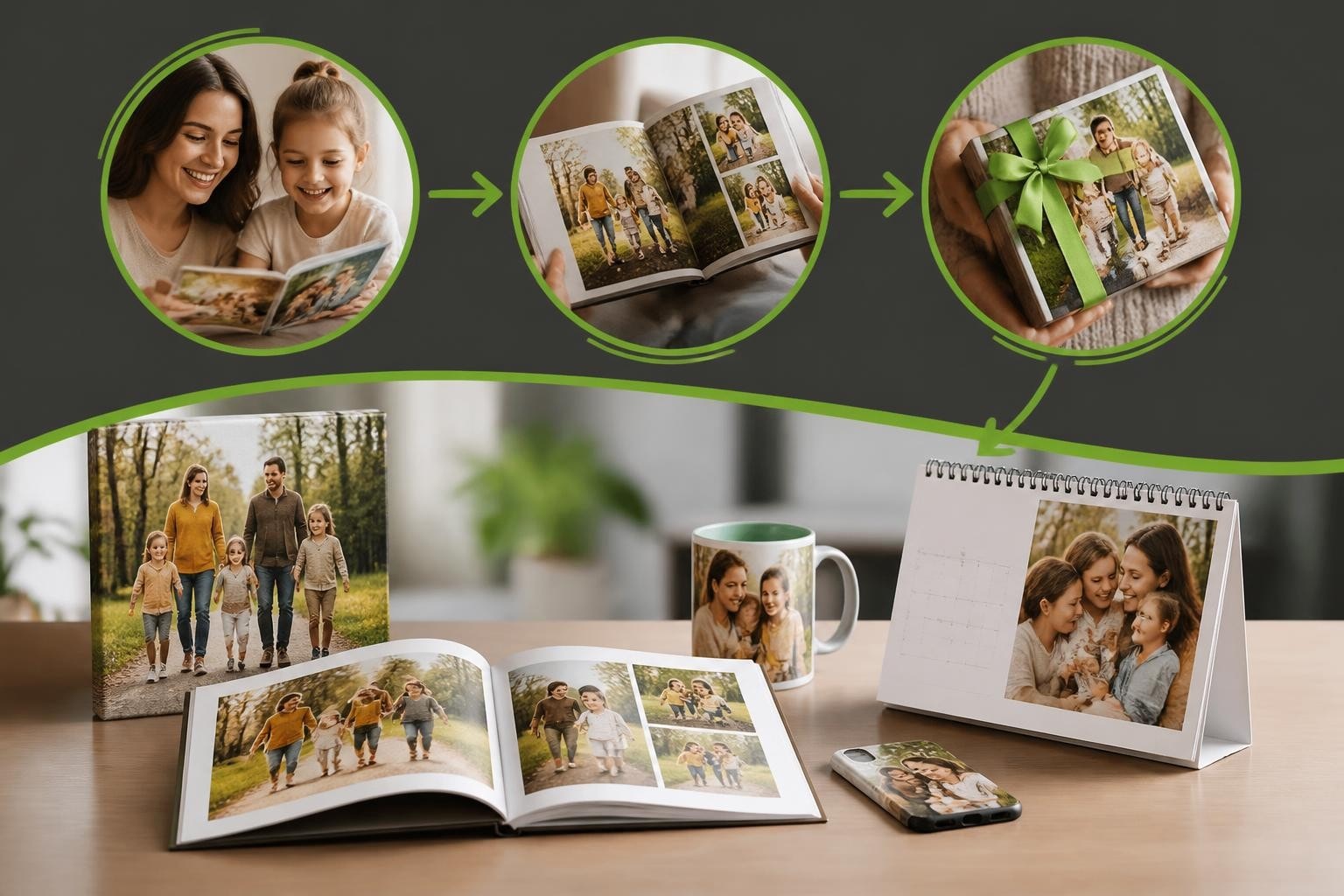
The intersection of photography and gifting has evolved dramatically over the past decade, transforming how we celebrate relationships and preserve memories. In 2026, the photo and gift industry represents a thriving sector where technology meets emotion, enabling businesses to deliver deeply personal products that resonate with recipients. Whether celebrating milestones, honouring loved ones, or simply expressing appreciation, photo-based gifts have become the preferred choice for those seeking meaningful alternatives to generic presents.
The Rise of Personalised Photo Gifts
The demand for personalised products has reshaped consumer expectations across retail sectors. Today's customers no longer settle for mass-produced items when they can create something unique that reflects their personal story. This shift has been particularly pronounced in the photo and gift market, where technological advancements have made customisation accessible and affordable.
Key drivers behind this growth include:
- Increased smartphone photography quality enabling anyone to capture professional-grade images
- Social media culture emphasising visual storytelling and memory preservation
- Growing desire for sustainable, meaningful gifts over disposable consumer goods
- Technological improvements reducing production costs whilst maintaining quality
Modern consumers understand that photographs carry emotional weight that generic presents simply cannot match. A personalised photo book chronicling a family holiday or a canvas print of a wedding day creates connections that endure far beyond the initial unwrapping moment.
Market Trends Shaping Photo Gifting
The personalised gift sector continues its upward trajectory, with photo-based products leading innovation. According to industry analysis, consumers increasingly prioritise quality and customisation options over price alone. This willingness to invest in meaningful gifts has created opportunities for businesses offering sophisticated photo book software solutions.
| Product Category | Popularity Trend | Average Order Value | Seasonal Peak |
|---|---|---|---|
| Photo Books | Increasing | £35-£75 | November-December |
| Calendars | Stable | £18-£30 | October-November |
| Canvas Prints | Growing | £45-£120 | Year-round |
| Greeting Cards | Evolving | £3-£8 | All occasions |
The integration of artificial intelligence and design automation has revolutionised how quickly customers can create professional-looking photo and gift products. What once required hours of manual layout work now takes minutes, thanks to intelligent template systems and automated image enhancement.

Essential Photo Gift Categories for 2026
Understanding which photo and gift products resonate with different audiences helps businesses optimise their offerings. Each category serves distinct purposes and appeals to specific customer motivations.
Photo Books and Albums
Photo books remain the cornerstone of the personalised gift industry. These products transform digital photo collections into tangible keepsakes that families treasure for generations. The sophistication of modern photo book creation tools enables customers to produce professional-quality results without design expertise.
Popular photo book formats include:
- Wedding albums featuring high-quality layflat binding
- Baby books documenting first years and milestones
- Travel journals combining photographs with written narratives
- Family yearbooks creating annual traditions
- Memorial books honouring loved ones
The online designer interface has become crucial for photo book success. Customers expect intuitive drag-and-drop functionality, intelligent auto-fill options, and real-time previews that accurately represent the finished product.
Wall Art and Home Décor
Transforming photographs into wall art represents a growing segment within the photo and gift market. Canvas prints, framed photographs, and metal prints allow customers to showcase their favourite images as permanent home décor elements.
This category appeals particularly to customers seeking to personalise their living spaces with meaningful imagery rather than generic artwork. The emotional connection to displayed photographs creates lasting satisfaction that decorative items from retail stores rarely achieve.
Calendars and Planners
Personalised calendars combine practical functionality with sentimental value. These photo and gift products serve daily purposes whilst displaying cherished memories throughout the year. Businesses offering calendar products benefit from predictable seasonal demand patterns and repeat purchase behaviour.
Modern calendar creation extends beyond simple month-by-month formats. Customers now expect:
- Desk calendars featuring landscape or portrait orientations
- Wall calendars with customisable start months
- Magnetic calendars for refrigerator display
- Planner formats combining scheduling with photo displays
The ability to mark special dates, anniversaries, and birthdays with relevant photographs adds layers of personalisation that standard calendars cannot provide.
Technology Enabling Photo Gift Innovation
Behind every successful photo and gift product lies sophisticated software infrastructure. The technology powering personalisation has advanced considerably, enabling businesses to offer exceptional user experiences whilst maintaining operational efficiency.
Workflow Automation and Efficiency
Modern photo gift operations require seamless integration between customer-facing design tools and production systems. The desktop designer solutions enable professional users to create complex layouts with precision controls, whilst automated workflows ensure files meet production specifications.
Critical technical components include:
- Colour management systems ensuring accurate reproduction
- Resolution checking preventing low-quality outputs
- Automated cropping and enhancement tools
- Template systems accelerating design processes
- Production-ready file generation eliminating manual intervention
These technological foundations allow businesses to scale operations without proportional increases in staffing or error rates. Automation handles repetitive tasks whilst preserving creative flexibility for customers seeking unique designs.

User Experience and Design Flexibility
The success of any photo and gift platform depends heavily on user experience design. Customers abandoning half-completed projects represent lost revenue and frustrated potential buyers. Intuitive interfaces reduce friction whilst encouraging experimentation and higher-value purchases.
| Feature | Customer Benefit | Business Impact |
|---|---|---|
| Auto-fill templates | Quick project completion | Increased conversion rates |
| Image enhancement | Professional results without editing skills | Higher customer satisfaction |
| Real-time previews | Confidence in final product | Reduced returns and complaints |
| Mobile compatibility | Design anywhere, anytime | Expanded customer base |
| Cloud saving | Resume projects across devices | Improved completion rates |
The importance of mobile-optimised design tools cannot be overstated. With smartphone photography dominating image capture, customers expect to design photo and gift products directly from their mobile devices without compromising functionality.
Building Emotional Connections Through Personalisation
The fundamental appeal of photo-based gifts lies in their ability to evoke emotions and strengthen relationships. Unlike conventional presents, personalised photo products tell stories, preserve memories, and demonstrate thoughtfulness that recipients genuinely appreciate.
Occasion-Based Photo Gifting
Different life events call for specific photo and gift approaches. Understanding these occasions helps businesses tailor marketing messages and product recommendations effectively.
Major gifting occasions include:
- Weddings and anniversaries celebrating romantic relationships
- New births welcoming family additions
- Graduations marking educational achievements
- Retirement honouring career milestones
- Memorials preserving cherished memories
Each occasion carries distinct emotional contexts requiring appropriate product positioning. A celebratory graduation photo book demands different design aesthetics than a memorial album, despite both products using identical printing technology.
The Psychology of Photo Gifts
Research consistently demonstrates that experiential and personalised gifts create longer-lasting happiness than material possessions. Photo and gift products occupy a unique position, combining tangible物objects with intangible memories and emotions.
Recipients report stronger emotional responses to personalised photo gifts because these items demonstrate genuine effort and thoughtfulness. The giver invested time selecting photographs, arranging layouts, and crafting a unique creation specifically for the recipient. This investment communicates care more effectively than expensive generic alternatives.
Interestingly, even items like personalised jewellery from specialists such as Larimar Creations can incorporate photographic elements through engraving or companion photo books documenting the piece's significance, creating multi-layered gift experiences.
Business Opportunities in Photo Gifting
For businesses considering entry or expansion within the photo and gift sector, 2026 presents compelling opportunities. Consumer demand remains strong whilst technological barriers to entry have decreased significantly through accessible software solutions.
Developing Your Product Range
Successful photo gift businesses rarely focus on single product categories. Instead, they develop complementary ranges encouraging customers to purchase multiple items or return for different occasions.
Strategic product portfolio considerations:
- Core products (photo books, calendars) driving regular traffic
- Premium offerings (layflat albums, large canvas) increasing average order values
- Quick-turn items (greeting cards, small prints) encouraging impulse purchases
- Seasonal specials (holiday cards, themed calendars) maximising timely demand
The technology infrastructure supporting this diversity must handle varying specifications without creating operational complexity. Taopix’s flexible workflows enable businesses to manage multiple product types through unified systems rather than disparate platforms.
Quality Considerations and Standards
Photo and gift product quality directly impacts customer satisfaction and repeat business rates. Whilst competitive pricing attracts initial orders, quality determines whether customers return and recommend your services to others.
Critical quality factors include:
| Quality Element | Impact on Customer Satisfaction | Differentiation Potential |
|---|---|---|
| Paper stock | Very High | Medium |
| Colour accuracy | Very High | High |
| Binding durability | High | Medium |
| Print resolution | Very High | Low |
| Finishing details | Medium | High |
Businesses must balance quality investments with pricing strategies. Premium quality justifies higher prices when effectively communicated, but customers need education about what differentiates superior products from budget alternatives.

Marketing Photo and Gift Services Effectively
Even exceptional products require strategic marketing to reach potential customers. The photo and gift market demands approaches that emphasise emotional benefits alongside product features.
Content Marketing and Inspiration
Customers often struggle with creative blocks when designing personalised products. Providing inspiration through examples, templates, and idea galleries reduces this friction whilst showcasing your capabilities.
Effective content strategies include:
- Project galleries showing finished photo books and calendars
- Seasonal gift guides suggesting products for upcoming occasions
- Tutorial content teaching design techniques
- Customer testimonials sharing emotional responses to received gifts
- Behind-the-scenes content demonstrating quality processes
The personalised photographs blog content exemplifies how educational material attracts potential customers whilst establishing expertise and authority within the sector.
Seasonal Planning and Promotion
Photo and gift businesses experience pronounced seasonal demand fluctuations. Strategic planning around these patterns maximises revenue whilst managing production capacity effectively.
Key selling periods:
- November-December: Holiday gifts, calendars, greeting cards
- January-February: Valentine's Day, New Year photo books
- March-May: Mother's Day, graduation gifts
- June-September: Wedding albums, holiday photo books
- Year-round: Birthdays, anniversaries, general occasions
Successful businesses begin promoting seasonal products 8-12 weeks before peak demand, giving customers adequate time for consideration and creation without last-minute pressure.
Sustainability and Ethical Production
Modern consumers increasingly consider environmental and ethical factors when making purchase decisions. The photo and gift industry faces particular scrutiny regarding paper sourcing, chemical usage, and shipping practices.
Environmental Considerations
Implementing sustainable practices requires balancing environmental responsibility with economic viability. Customers appreciate eco-friendly options but often resist significant price premiums for sustainable alternatives.
Practical sustainability measures include:
- FSC-certified paper stocks from managed forests
- Vegetable-based inks reducing harmful chemical usage
- Local production minimising shipping distances and carbon emissions
- Recycled packaging materials for product delivery
- Digital proofing systems eliminating physical proof waste
Communicating these initiatives effectively differentiates environmentally conscious businesses from competitors whilst appealing to values-driven customers.
Ethical Supply Chains
Beyond environmental concerns, ethical sourcing and fair labour practices matter to socially conscious consumers. Transparency about production locations, working conditions, and fair wage policies builds trust and loyalty.
The photo and gift sector's globalised supply chains require careful oversight to ensure ethical standards throughout production processes. Businesses partnering with certified facilities and conducting regular audits demonstrate genuine commitment rather than superficial marketing claims.
Future Developments in Photo Gifting
Looking ahead, several emerging trends promise to reshape the photo and gift landscape. Businesses positioning themselves strategically can capitalise on these developments whilst competitors struggle to adapt.
Augmented Reality Integration
Augmented reality features are beginning to enhance photo gift products in fascinating ways. Imagine photo books where smartphones reveal video content when pages are scanned, or wall art triggering digital displays of related images.
These technologies add interactive dimensions to traditionally static products, creating hybrid experiences appealing particularly to younger, tech-savvy consumers.
Artificial Intelligence and Personalisation
AI-powered design assistance represents the next evolution in photo and gift creation. Systems that automatically select best images, suggest layouts, and generate design variations reduce creation time whilst improving results.
Machine learning algorithms analysing successful designs can recommend proven approaches to new customers, increasing satisfaction rates and reducing abandoned projects. The balance between automation and creative control remains crucial-customers appreciate assistance but resist feeling constrained by algorithmic decisions.
Subscription and Recurring Revenue Models
Forward-thinking businesses are exploring subscription models for photo and gift products. Monthly photo book subscriptions, quarterly calendar updates, and ongoing greeting card services create predictable revenue streams whilst deepening customer relationships.
These models work particularly well for specific niches such as grandparent photo books (monthly updates of grandchildren), travel enthusiasts (quarterly trip documentation), or social photographers (regular event photo books).
Implementation Strategies for Businesses
Entering or expanding within the photo and gift market requires careful planning and strategic technology selection. Businesses must consider both immediate operational needs and long-term scalability requirements.
Choosing Technology Partners
The software platform powering your photo and gift offerings fundamentally shapes customer experience and operational efficiency. Critical evaluation criteria include:
Technical capabilities:
- Design tool intuitiveness and feature completeness
- Production workflow automation and quality controls
- Integration capabilities with existing systems
- Mobile optimisation and cross-device functionality
- Customisation flexibility for brand differentiation
Business considerations:
- Pricing models and total cost of ownership
- Implementation timelines and support quality
- Scalability for growth without platform migration
- Update frequency and feature development roadmap
- Partner ecosystem and third-party integrations
Taopix has demonstrated long-term partnership value through sustained technology evolution and client support, illustrating the importance of selecting established, committed technology providers.
Training and Customer Support
Even the most intuitive systems require some customer guidance. Comprehensive support resources reduce frustration and increase completion rates.
Effective support strategies include:
- Video tutorials demonstrating common tasks and features
- Interactive help systems providing context-sensitive guidance
- Live chat support for real-time problem resolution
- Email support for complex or non-urgent enquiries
- Community forums enabling peer assistance
The investment in quality support infrastructure pays dividends through higher customer satisfaction, increased word-of-mouth recommendations, and reduced abandonment rates.
The photo and gift industry continues evolving as technology advances and consumer preferences shift towards meaningful, personalised products. Businesses that combine sophisticated software capabilities with quality production and thoughtful marketing position themselves for sustained success in this growing market. Taopix provides the technology foundation enabling businesses to deliver exceptional photo gift experiences, from intuitive design tools to flexible production workflows, helping you transform customer memories into treasured keepsakes that strengthen relationships and build lasting loyalty.
One response to “Photo and Gift: Creating Lasting Memories in 2026”
[…] photo and gift production workflow extends beyond photobooks to encompass calendars, cards, and other personalised products, allowing […]