
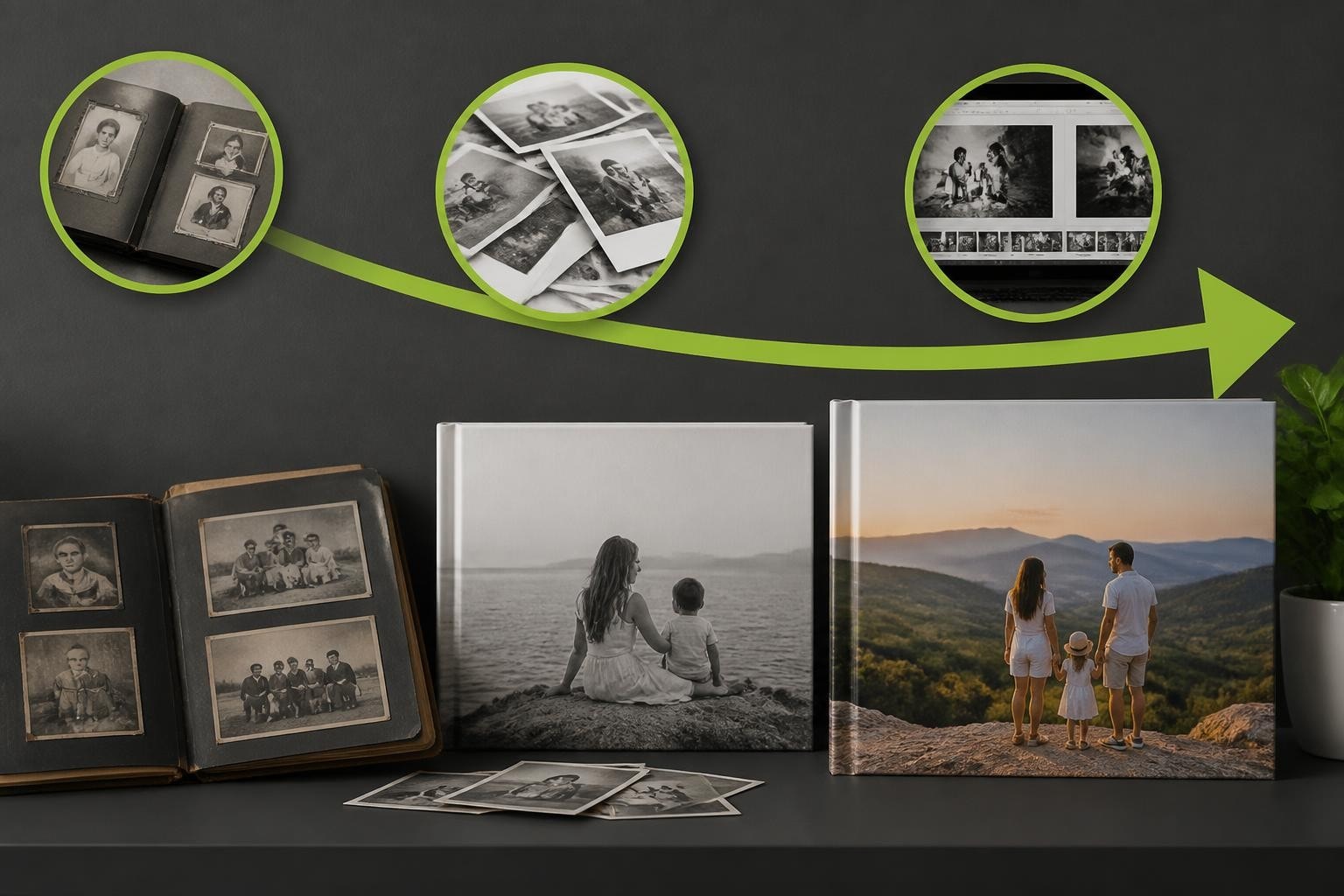
The albúm de fotos represents more than just a collection of photographs bound together. It serves as a tangible narrative of our lives, preserving moments that might otherwise fade from memory. In 2026, whilst digital photography dominates our daily interactions, the desire to create meaningful physical photo albums remains stronger than ever. This guide explores how modern technology has transformed the traditional albúm de fotos whilst maintaining the emotional connection that makes these collections so valuable.
The Enduring Value of Physical Photo Albums
Despite living in an increasingly digital world, the albúm de fotos continues to hold significant cultural and emotional importance. Physical photo albums offer a tactile experience that digital galleries simply cannot replicate. When you hold a well-crafted album in your hands, flip through its pages, and share it with loved ones, you create a shared experience that transcends the isolated viewing of images on screens.
Research demonstrates that physical photo albums encourage deeper engagement with memories. Unlike scrolling through thousands of digital images, a curated album presents a thoughtful selection of moments, each chosen for its significance. This curation process itself becomes an act of remembrance, forcing us to evaluate which memories deserve permanent preservation.
Why Physical Albums Matter in 2026
The permanence of a physical albúm de fotos offers reassurance that many digital platforms cannot provide. Cloud services change ownership, subscription models evolve, and file formats become obsolete. A properly maintained photo album, however, can last for generations.
Key benefits of physical photo albums include:
- Tangible connection to memories without requiring technology
- No dependence on software updates or platform continuity
- Enhanced focus during viewing experiences
- Greater emotional impact during shared viewing
- Protection against digital data loss or corruption
Many families discover that younger generations, despite their digital fluency, appreciate physical albums when exploring family history. The album format naturally encourages storytelling and conversation in ways that individual digital images do not.

Creating a Modern Albúm de Fotos
Creating an exceptional photo album in 2026 combines traditional curation sensibilities with modern production capabilities. Photo book software has revolutionised the creation process, enabling anyone to design professional-quality albums without specialising in graphic design or layout work.
The modern approach to building an albúm de fotos begins with digital organisation. Most people accumulate thousands of photographs across multiple devices and platforms. Before creating a physical album, consolidate your images and implement a systematic selection process.
Selection and Curation Strategies
Quality always supersedes quantity when designing an albúm de fotos. A well-curated collection of 50-100 images tells a more compelling story than an overwhelming compendium of every photograph from an event.
Effective curation involves:
- Establishing a clear theme or timeframe for your album
- Eliminating duplicate images and near-identical shots
- Selecting photographs that capture emotion and narrative
- Balancing posed portraits with candid moments
- Including contextual images that establish setting and atmosphere
- Reviewing your selection after a brief interval to ensure choices remain strong
Professional photographers recommend the "first pass, second pass" method. During your first review, mark potential candidates generously. During your second pass, eliminate anything that doesn't strengthen the overall narrative. This two-stage process prevents premature elimination of worthy images whilst maintaining selectivity.
Design Principles for Exceptional Albums
Layout and design significantly influence how effectively an albúm de fotos communicates its story. Modern photobook creation platforms provide templates and design tools that simplify this process, but understanding fundamental principles ensures superior results.
Layout Fundamentals
Visual rhythm creates engagement throughout your album. Vary your page layouts between single large images, paired photographs, and multi-image grids. This variation maintains visual interest whilst preventing monotony.
| Layout Type | Best Used For | Considerations |
|---|---|---|
| Full bleed single image | Dramatic landscapes, key moments | Requires high resolution, strong composition |
| Two-page spread | Panoramic scenes, grouped events | Ensure critical elements avoid the gutter |
| Grid layouts | Event coverage, sequences | Maintain consistent image sizes within grids |
| Mixed layouts | Narrative storytelling | Balance negative space with image density |
White space serves as a powerful design element. Don't feel compelled to fill every millimetre of each page. Strategic empty space draws attention to your most important images and prevents visual overwhelm.
Typography and Text Integration
An albúm de fotos benefits from minimal but meaningful text. Include dates, locations, and brief captions that provide context without overwhelming the visual narrative. The Library of Congress preservation guidelines recommend using archival-quality materials for any text elements to ensure longevity.
Choose fonts that complement rather than compete with your photographs. Classic serif fonts like Garamond or Baskerville work well for formal albums, whilst clean sans-serif options suit contemporary aesthetics. Limit yourself to two font families maximum throughout the entire album.

Material Selection and Quality Considerations
The physical materials comprising your albúm de fotos directly impact both its immediate appearance and long-term durability. Understanding available options helps you make informed decisions aligned with your priorities and budget.
Paper Quality and Finish Options
Paper weight, texture, and finish dramatically affect how photographs appear and how pages feel. Heavier paper stocks (200gsm and above) provide substantial feel and resist wear better than lighter alternatives.
Common paper finishes and their characteristics:
- Glossy: Enhances colour vibrancy and contrast, but prone to fingerprints and glare
- Matte: Reduces glare and offers elegant appearance, though colours appear slightly muted
- Lustre: Balances glossy vibrancy with reduced glare, popular for wedding albums
- Pearl: Adds subtle shimmer whilst maintaining good colour reproduction
The University of Chicago Library provides detailed guidance on photographic materials that can inform material choices for archival-quality albums.
Binding Methods and Durability
Binding quality determines how well your albúm de fotos withstands repeated viewing. Several binding options offer different advantages:
| Binding Type | Durability | Lay-Flat Capability | Best For |
|---|---|---|---|
| Perfect binding | Moderate | Limited | Budget-conscious projects |
| Saddle stitch | Good | Good | Smaller albums (under 60 pages) |
| Case binding | Excellent | Moderate | Premium albums requiring longevity |
| Lay-flat binding | Excellent | Excellent | Wedding albums, panoramic images |
Lay-flat binding has become increasingly popular for modern photobooks as it allows double-page spreads to display without interruption at the gutter. This proves particularly valuable for panoramic photographs or designs that span two pages.
Preserving Your Albúm de Fotos for Future Generations
Creating an exceptional photo album represents only the beginning. Proper storage and handling ensure your albúm de fotos remains in excellent condition for decades or even centuries.
Storage Environment Recommendations
Environmental conditions significantly impact album longevity. Temperature fluctuations, humidity, and light exposure all contribute to deterioration over time.
Maintain storage areas between 15-20°C with relative humidity between 30-50%. Avoid basements prone to dampness or attics subject to temperature extremes. Keep albums away from direct sunlight, which fades photographs and damages binding materials.
Store albums vertically on shelves when possible, as stacking creates pressure that can damage bindings and cause pages to stick together. If you must stack albums, limit stack height and periodically rotate positions.
Handling and Maintenance Practices
Handle your albúm de fotos with clean, dry hands. Natural oils and dirt from fingers can transfer to pages, creating permanent damage over time. For particularly valuable or delicate albums, consider using cotton gloves during handling.
Regular maintenance activities include:
- Inspecting albums annually for signs of deterioration
- Removing any loose debris or dust with a soft brush
- Checking for loose pages or damaged binding elements
- Ensuring storage conditions remain stable
- Creating digital backups of irreplaceable images
Discover Nikkei offers preservation methods that emphasise the importance of proper storage materials, particularly acid-free boxes and sleeves that prevent chemical deterioration.

Integrating Digital and Physical Photo Preservation
Modern memory preservation strategies recognise that digital and physical formats complement rather than compete with each other. An effective approach combines both methods, leveraging the strengths of each format.
Creating Digital Backups of Physical Albums
Digitising existing physical albums protects against loss whilst enabling easier sharing with distant family members. High-resolution scanning preserves not just the photographs themselves but also the layout and contextual elements that make albums meaningful.
When scanning an albúm de fotos, use at least 600 DPI for photographs to ensure sufficient detail for future reprinting. Save files in uncompressed formats like TIFF for archival purposes, whilst also creating smaller JPEG versions for convenient sharing.
From Digital to Physical: Modern Creation Workflows
Contemporary workflows typically begin digitally, even when the final destination is a physical album. This approach offers several advantages, including unlimited experimentation with layouts before committing to printing.
Modern personalised photograph technology enables precise control over every aspect of album creation. Professional-grade software platforms provide tools for colour correction, cropping, and enhancement that ensure optimal print quality.
The production process for a professional albúm de fotos involves sophisticated printing technology that produces archival-quality results. Pigment-based inks resist fading far better than traditional dye-based alternatives, whilst modern binding equipment creates durable constructions that withstand frequent handling.
Thematic Approaches to Album Creation
Different life events and purposes call for distinct approaches when creating an albúm de fotos. Understanding these variations helps produce albums that appropriately match their subject matter and intended use.
Family History and Heritage Albums
Heritage albums document family lineages across generations, often combining historical photographs with contemporary images. These albums require additional contextual information to remain meaningful as time passes.
Include names, dates, locations, and relationships in captions. Consider adding brief stories or quotes that provide personality and context. Future generations will appreciate this documentation when direct knowledge of depicted individuals no longer exists within the family.
Event-Specific Albums
Weddings, graduations, significant birthdays, and other milestone events merit dedicated albums. These collections benefit from chronological organisation that tells the story of the day from beginning to end.
Balance coverage across different aspects of the event. A wedding album should include getting-ready moments, ceremony highlights, reception celebrations, and guest interactions. This comprehensive approach creates a complete record rather than focusing exclusively on formal portraits.
Travel and Adventure Collections
Travel albums capture experiences and destinations, serving as both personal memory aids and inspiration for future adventures. Organise these albums geographically or chronologically, depending on whether the album documents a single journey or multiple trips.
Include establishing shots that showcase locations and landscapes alongside close-up details that capture atmosphere and culture. Maps and itineraries can provide valuable context, whilst ticket stubs or other ephemera add tactile interest when incorporated carefully.
Business Applications for Photo Albums
Beyond personal use, professionally produced albums serve important business functions across multiple industries. Understanding these applications reveals the broader significance of quality photobook creation.
Professional Photography Portfolios
Photographers use high-quality albums to showcase their work to potential clients. A well-designed portfolio album demonstrates technical skill whilst providing a luxurious experience that justifies premium pricing.
Portfolio albums require exceptional print quality and materials. Photographers cannot afford compromise in presenting their work, making professional production capabilities essential.
Corporate Documentation and Commemorative Albums
Organisations create albums documenting company milestones, project completions, and corporate histories. These albums serve internal purposes whilst also functioning as client gifts or promotional materials.
Corporate albums benefit from consistent branding integration and professional design standards. The quality of these productions reflects on the organisation's overall brand perception.
Technology's Role in Modern Album Creation
Advanced software platforms have democratised professional-quality album creation. What once required professional design skills and specialised equipment now remains accessible to anyone with basic computer literacy.
Photo book software solutions provide intuitive interfaces that guide users through the creation process whilst offering sufficient flexibility for experienced designers. These platforms typically include template libraries, drag-and-drop functionality, and automatic layout suggestions that simplify design decisions.
Professional production capabilities have become equally accessible. High-quality printing services now serve both individual consumers and business clients, with automated workflows ensuring consistent results regardless of order volume.
The online designer tools available through modern platforms enable real-time collaboration, cloud-based storage, and seamless ordering processes. These capabilities transform album creation from a complex technical challenge into an enjoyable creative activity.
Quality Control and Proof Checking
Before finalising production of any albúm de fotos, thorough quality control prevents disappointing results. Digital proofing enables careful review of every page before printing begins.
Essential checking points include:
- Image resolution sufficiency for print size (minimum 300 DPI)
- Colour accuracy and consistency across all photographs
- Text spelling, grammar, and factual accuracy
- Layout balance and visual flow throughout the album
- Proper margins ensuring no critical elements get trimmed
- Page order and sequence logic
Many professionals recommend viewing proofs on calibrated monitors and, when possible, requesting physical proof copies for high-value projects. What appears acceptable on screen may reveal issues when printed, particularly regarding colour accuracy and overall impact.
Creating an exceptional albúm de fotos requires balancing artistic vision with technical precision, combining thoughtful curation with quality production. Whether preserving family memories, documenting professional achievements, or commemorating special events, well-designed photo albums create lasting value that transcends their physical materials. Taopix provides comprehensive software solutions that enable businesses to offer professional photobook creation services, combining flexible design tools with robust production workflows that ensure exceptional results for every project.