
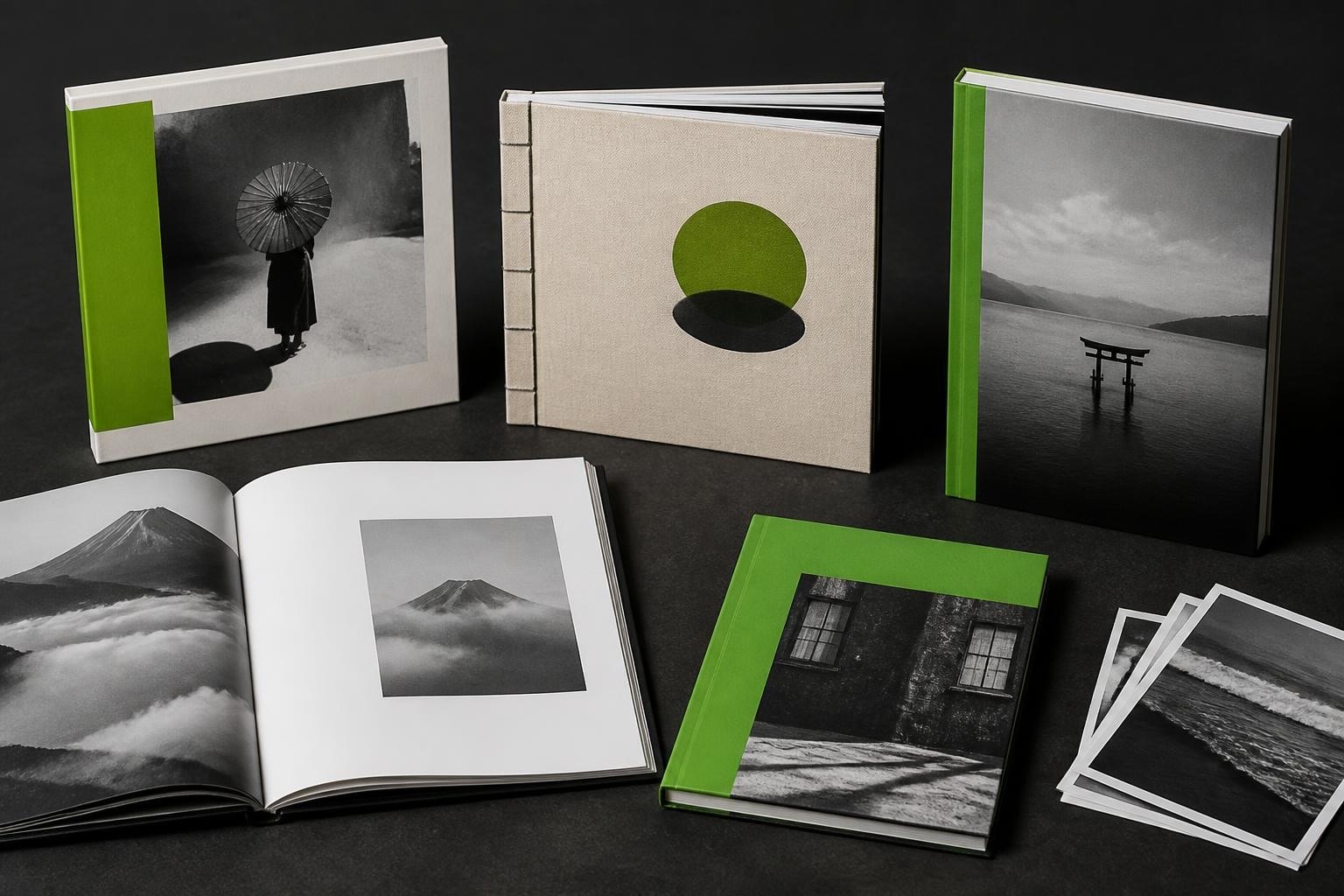
The photobook Japanese tradition represents one of the most influential movements in photographic publishing history. From the post-war experimental works of the 1950s through to contemporary artistic expressions, Japanese photobooks have established standards for design excellence, material quality, and conceptual coherence that continue to shape the industry worldwide. Understanding these principles offers valuable insights for anyone creating photobooks today, whether for personal projects or commercial applications.
The Cultural Foundation of Japanese Photobook Design
The photobook Japanese aesthetic emerged from a unique cultural context where photography met traditional craftsmanship. During the 1950s and 1960s, Japanese photographers began exploring the photobook format as a primary medium for artistic expression, rather than simply as a vehicle for displaying images. The Smithsonian’s exploration of Japanese photobooks reveals how this period transformed photography into a cohesive art form that integrated images, design, and physical materials.
This approach differed fundamentally from Western photobook traditions. Japanese photographers and designers considered every element – paper texture, binding method, typography, and sequencing – as integral to the storytelling process.
Material Selection and Tactile Experience
Key characteristics of photobook Japanese design include:
- Meticulous paper selection matched to image mood and content
- Thoughtful binding techniques that enhance narrative flow
- Integration of traditional Japanese aesthetic principles
- Balance between restraint and bold visual statements
- Seamless transitions between images and text
The physical object itself became an artwork. Publishers experimented with unusual formats, folding patterns, and printing techniques that challenged conventional book structures. This holistic approach created immersive experiences where readers engaged with photographs through multiple senses.
Historical Development and Influential Periods
The photobook Japanese evolution spans over seven decades of innovation. From 1912 to 1990, Japanese photographers documented dramatic cultural transformations whilst pioneering new approaches to photobook creation. Early publications focused on documenting daily life and landscapes, but the medium rapidly evolved into experimental territory.

Post-War Innovation and Experimentation
The 1950s through 1970s marked the golden age of photobook Japanese creativity. Photographers rejected traditional presentation methods, instead creating books that functioned as complete artistic statements. This period established Japan as a leading force in photobook production.
| Era | Design Focus | Notable Characteristics |
|---|---|---|
| 1950s | Experimental layouts | Abstract compositions, bold contrasts |
| 1960s | Social documentation | Gritty realism, narrative sequences |
| 1970s | Conceptual works | Minimal design, philosophical themes |
| 1980s | Technical refinement | High-quality production, diverse subjects |
The emphasis on craftsmanship during these decades established benchmarks for production quality that remain relevant today. Print businesses seeking to differentiate themselves can learn from this commitment to excellence.
Design Principles and Contemporary Applications
Modern photobook creation benefits enormously from understanding photobook Japanese design philosophies. These principles translate effectively into contemporary production workflows, particularly for businesses offering creative photo books to their customers.
Sequencing and Visual Rhythm
Japanese photobooks excel at creating visual narratives through careful image sequencing. Rather than chronological arrangements, photographers construct emotional journeys where each spread builds upon previous ones. This approach considers:
Pacing elements:
- Deliberate variations in image size and placement
- Strategic use of white space to create breathing room
- Juxtaposition of contrasting images for impact
- Rhythmic repetition of visual themes
- Controlled escalation of intensity throughout the book
The photobook Japanese approach to sequencing transforms collections of photographs into cohesive narratives. This methodology proves particularly valuable when helping customers transform their personal photographs into meaningful keepsakes.
Typography and Text Integration
The unique characteristics emphasized by Phantasy Magazine demonstrate how Japanese designers treat typography as visual element rather than mere information delivery. Text placement, font selection, and linguistic rhythm contribute to overall aesthetic harmony.
In photobook Japanese design, minimal text often proves more powerful than extensive captions. When words appear, they're positioned thoughtfully to complement rather than compete with images. This restraint allows photographs to communicate directly whilst maintaining narrative coherence.

Production Quality and Technical Excellence
The photobook Japanese tradition established exceptionally high standards for production quality. From paper selection through binding methods, every technical decision serves aesthetic and functional purposes. Modern print businesses can apply these quality-focused approaches to differentiate their offerings.
Paper and Printing Considerations
Japanese photobook publishers traditionally partnered closely with paper manufacturers to achieve specific visual effects. Different paper stocks created varying emotional responses – smooth coated papers for sharp contemporary imagery, textured papers for nostalgic warmth, uncoated stocks for intimate documentary work.
Critical production elements:
- Paper weight selection matched to book format and intended use
- Coating choices affecting colour rendition and tactile quality
- Binding methods supporting both durability and aesthetic goals
- Print techniques maximizing tonal range and detail preservation
- Finishing touches including dust jackets, slipcases, and protective elements
For businesses operating global print manufacturing operations, implementing quality standards inspired by photobook Japanese traditions creates competitive advantages. Customers increasingly appreciate premium production values that elevate their photographs beyond commodity printing.
Contemporary Relevance for Print Businesses
The photobook Japanese legacy continues influencing modern photobook production. Print businesses benefit from understanding these design principles when developing product offerings and guiding customers through creation processes. The challenge lies in translating historical excellence into accessible, scalable solutions.
Balancing Automation with Customisation
Modern photobook software must balance efficiency with creative flexibility. The photobook Japanese emphasis on individual artistic expression seems to conflict with automated production workflows. However, sophisticated online designer platforms can incorporate design principles whilst streamlining creation processes.
| Traditional Approach | Modern Implementation | Customer Benefit |
|---|---|---|
| Manual layout refinement | Intelligent template systems | Professional results with less effort |
| Custom binding options | Expanded format selections | Creative expression within structure |
| Artisan paper selection | Curated stock choices | Quality materials made accessible |
| Expert sequencing | Guided workflow tools | Narrative coherence support |
The photobook Japanese philosophy emphasizes that limitations often enhance creativity. Well-designed software provides structure whilst encouraging experimentation within defined parameters. This approach helps customers produce cohesive, professionally finished products.
Educational Opportunities
Print businesses can differentiate themselves by educating customers about photobook design principles. Understanding photobook Japanese traditions helps customers appreciate quality differences and make informed decisions about their projects.
Educational content areas:
- Image sequencing workshops demonstrating narrative flow
- Paper selection guides explaining how materials affect final results
- Layout tutorials showing effective white space usage
- Colour management education ensuring print accuracy
- Binding method comparisons highlighting durability and aesthetics
According to Wikipedia’s overview, photobooks serve purposes ranging from artistic expression through commercial applications to personal memory preservation. Each use case benefits from design principles established by photobook Japanese pioneers.

Market Positioning and Customer Expectations
Understanding photobook Japanese heritage helps businesses position premium offerings effectively. Customers willing to invest in quality photobooks often appreciate cultural and artistic context that justifies higher price points. This knowledge becomes particularly valuable when serving discerning customers seeking alternatives to mass-market products.
Premium Product Differentiation
The photobook Japanese tradition demonstrates that exceptional results require attention to seemingly minor details. Print businesses can apply this philosophy across their operations:
- Materials sourcing – Partner with quality suppliers offering diverse paper stocks and binding options that enable creative expression
- Production standards – Implement quality control processes ensuring consistent excellence across all orders
- Design tools – Provide software enabling sophisticated layouts whilst remaining accessible to non-designers
- Customer support – Offer guidance helping customers make informed decisions about their projects
- Finishing options – Expand capabilities beyond basic formats to include special editions and unique presentations
These investments communicate commitment to quality that resonates with customers seeking meaningful photobook experiences. The photobook Japanese emphasis on craftsmanship translates directly into competitive advantages within crowded marketplaces.
Technical Workflows Supporting Artistic Vision
Successfully implementing photobook Japanese design principles requires robust technical infrastructure. Print businesses must balance artistic aspirations with operational realities including production efficiency, cost management, and scalability.
Software Capabilities
Modern photobook creation software needs flexibility supporting diverse creative approaches. Systems should enable:
- Custom page layouts breaking from rigid templates
- Sophisticated image editing maintaining print quality
- Typography controls allowing precise text placement
- Colour management ensuring accurate reproduction
- Preview functions showing realistic production results
The photobook Japanese approach values individual vision over standardisation. Software platforms supporting this philosophy empower customers to create truly personal works whilst maintaining production efficiency. Taopix provides solutions balancing these requirements through customisable workflows adapted to specific business needs.
Quality Assurance Processes
Maintaining consistent excellence across production runs requires systematic quality control. The photobook Japanese tradition's emphasis on perfection translates into:
Quality checkpoints:
- Pre-press verification ensuring files meet specifications
- Colour calibration across printing equipment
- Paper stock inspection confirming consistency
- Binding quality assessment checking durability
- Final inspection before shipping
These processes protect brand reputation whilst honouring the craftsmanship legacy established by photobook Japanese pioneers. Customers investing in premium products expect flawless execution at every production stage.
Cultural Appreciation and Artistic Context
The photobook Japanese movement emerged from specific cultural contexts that shaped its distinctive character. Understanding this background enriches modern photobook creation by connecting contemporary work to rich artistic traditions. Print businesses can leverage this cultural heritage when communicating with customers about design choices and quality standards.
Design Philosophy Integration
Japanese aesthetic principles including ma (negative space), wabi-sabi (beauty in imperfection), and kanso (simplicity) profoundly influenced photobook design. These concepts translate effectively into practical guidance for contemporary photobook creators:
- Embrace white space as active design element rather than wasted area
- Accept minor imperfections as evidence of authentic craftsmanship
- Pursue simplicity over unnecessary embellishment
- Consider how readers will physically interact with finished books
- Design for longevity rather than temporary impact
The photobook Japanese tradition demonstrates that thoughtful design creates lasting value transcending momentary trends. This philosophy aligns perfectly with photobook purposes – preserving memories and artistic visions for future generations.
Global Influence and Cross-Cultural Exchange
The photobook Japanese impact extends far beyond national boundaries. Photographers and publishers worldwide have adopted techniques and philosophies pioneered by Japanese innovators. This cross-cultural exchange enriches the entire photobook ecosystem whilst presenting opportunities for businesses serving diverse markets.
Adapting Principles Across Markets
Different cultures approach photobooks with varying expectations and preferences. The photobook Japanese emphasis on quality and artistic integrity translates universally, whilst specific design choices may require cultural adaptation. Print businesses operating internationally benefit from understanding these nuances.
Market considerations include:
- Format preferences varying by region and intended use
- Colour palette choices reflecting cultural associations
- Text integration accommodating different languages and reading directions
- Subject matter expectations for various occasions
- Price sensitivity relative to perceived value
Successfully navigating these variations whilst maintaining quality standards requires flexible production systems and culturally aware customer support. The photobook Japanese legacy provides foundation principles adaptable to diverse contexts without compromising excellence.
Business Implementation Strategies
Print businesses seeking to incorporate photobook Japanese quality standards into their operations must consider both technical capabilities and market positioning. This integration requires strategic planning across multiple operational areas.
Capability Development
Building capacity for premium photobook production involves:
- Equipment investments supporting high-quality output
- Staff training emphasizing craftsmanship and attention to detail
- Supplier relationships ensuring reliable access to quality materials
- Software systems enabling sophisticated design whilst maintaining usability
- Customer education programs communicating value propositions
The photobook Japanese tradition demonstrates that excellence emerges from comprehensive commitment rather than isolated improvements. Businesses pursuing this path must align all operational elements toward quality objectives.
Customer Journey Optimisation
Creating exceptional photobooks requires collaboration between providers and customers. The process should feel supportive rather than overwhelming, guiding users toward successful outcomes whilst respecting their creative visions.
Journey stages requiring attention:
- Initial inspiration and project conceptualisation
- Image selection and curation guidance
- Layout design and sequencing support
- Material and format decision assistance
- Production transparency and quality assurance
- Delivery and post-purchase engagement
Each touchpoint represents opportunity to demonstrate commitment to quality inherited from photobook Japanese traditions. Thoughtful customer support differentiates premium providers from commodity printing services.
The photobook Japanese tradition offers timeless lessons about quality, craftsmanship, and artistic integrity that remain profoundly relevant for modern print businesses. By understanding and applying these design principles, companies can create exceptional photobooks that honour both customer memories and photographic artistry. Taopix provides the technology infrastructure enabling print businesses to implement these quality standards through flexible, customisable software solutions that balance creative freedom with operational efficiency, helping transform personal photographs into meaningful keepsakes worthy of the photobook legacy.