
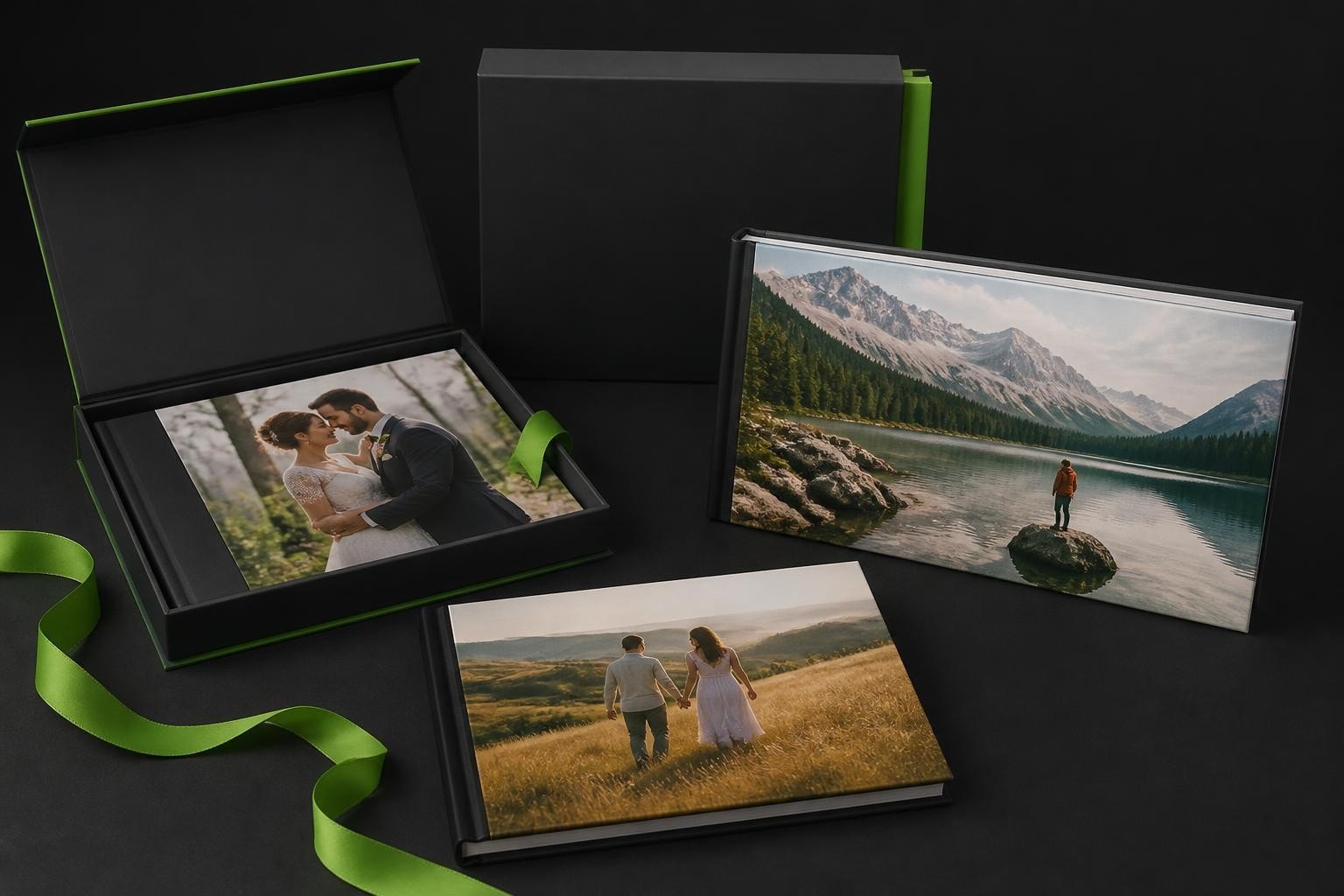
The presentation of a personalised photobook matters just as much as the content within its pages. A well-designed photo book gift box transforms a cherished keepsake into a premium gift experience, elevating perceived value and protecting the product from damage during shipping and handling. For businesses offering personalised print products, the packaging solution you choose directly impacts customer satisfaction, brand perception, and repeat purchase rates.
The Strategic Value of Premium Packaging
Investing in quality packaging for photobooks delivers measurable returns across multiple business metrics. Customers perceive boxed photobooks as higher-value products, justifying premium pricing strategies that improve profit margins whilst simultaneously reducing damage-related returns and customer service enquiries.
Protecting Your Product Investment
A robust photo book gift box serves as the first line of defence against transit damage, corner impacts, and environmental exposure. Modern photobook production involves sophisticated binding techniques and premium materials that deserve protection commensurate with their quality.
Key protective functions include:
- Corner and edge protection during shipping
- Moisture and dust barriers
- Structural support preventing warping
- Buffer against compression during stacking
- UV protection for light-sensitive covers
The Library of Congress guidance on album preservation emphasises the importance of archival-quality enclosures for photographic materials, principles that extend to commercial photobook packaging where long-term preservation matters to customers.

Material Selection and Archival Considerations
Choosing materials for your photo book gift box requires balancing aesthetics, protection, cost, and archival safety. Not all paperboard and adhesives are suitable for long-term contact with photographic materials.
The Image Permanence Institute’s Photo Safe guidance provides technical specifications for materials that pass the Photographic Activity Test (PAT), ensuring packaging components won't degrade printed photographs over time. This technical standard matters particularly for wedding albums, family heritage books, and other products customers expect to preserve for decades.
| Material Type | Advantages | Considerations |
|---|---|---|
| Rigid chipboard | Excellent protection, premium feel | Higher cost, increased weight |
| E-flute corrugated | Lightweight, cost-effective | Less premium appearance |
| Binder's board | Superior rigidity, archival options | Premium pricing, specialist sourcing |
| Coated paperboard | Print-friendly surface, moderate protection | Variable archival safety |
Structural Design Options for Photobook Packaging
Different photobook products require different packaging approaches. The binding style, dimensions, and intended use case all influence optimal box design.
Slipcase Configurations
Slipcases offer elegant access whilst maintaining full protection. The Publishing Xpress slipcase design guide outlines production considerations including die-line specifications, material thickness calculations, and finishing options that create professional presentation.
A properly engineered photo book gift box in slipcase format allows customers to display the spine whilst protecting the book when not in use. This design works particularly well for:
- Professional portfolios
- Wedding albums displayed on coffee tables
- Premium family heritage collections
- Corporate presentation books
Clamshell Box Construction
Clamshell boxes provide maximum protection with hinged construction that opens like a book. This premium option suits high-value photobooks where presentation ceremony matters as much as protection.
Design considerations for clamshell photo book gift boxes include interior bed construction, ribbon pull-tabs for easy removal, and magnetic closure systems that enhance the unboxing experience. Production complexity and cost position clamshells at the premium end of packaging options.
Two-Piece Lift-Lid Boxes
The classic lift-lid configuration balances protection, cost, and perceived value. A separate base and lid create an unboxing moment whilst maintaining manufacturing efficiency.
Structural variables to specify:
- Lid depth (typically 15-25mm for photobooks)
- Base height matching book thickness plus clearance
- Interior fitments (corner blocks, centre beds, ribbon lifts)
- Wall thickness based on book weight
- Closure mechanisms (magnets, ribbons, friction fit)

Sizing and Dimensional Planning
Accurate dimensional planning prevents fit issues that frustrate customers and increase return rates. A photo book gift box must accommodate the actual product dimensions plus appropriate clearance without excessive void space.
Calculating Interior Dimensions
Start with precise photobook measurements including any cover texture, embossing, or binding hardware that extends beyond nominal page dimensions. The photobook binding guide from PDF Press explains how different binding types affect actual product dimensions, particularly important for lay-flat and case-bound styles.
Add 2-4mm clearance on length and width dimensions, and 3-6mm on height to ensure smooth insertion and removal. Tighter tolerances create premium friction-fit experiences but require stricter manufacturing tolerances.
Shipping Considerations
If customers receive photobooks by post, the complete package dimensions must comply with postal regulations. The USPS Domestic Mail Manual specifies size and weight thresholds that affect postage rates, though UK businesses should consult Royal Mail equivalents for domestic shipping.
| Package Dimension | Standard Rate Limit | Large Parcel Threshold |
|---|---|---|
| Length + girth | 108 inches max | Varies by carrier |
| Weight | Varies by size | Typically 25-30kg |
| Minimum thickness | 6.35mm (standard letter) | N/A |
Design your photo book gift box to fit economical shipping bands whilst maintaining adequate protection. A box that pushes into the next rate category may force pricing adjustments or reduced profit margins.
Surface Finishes and Branding Opportunities
The exterior surface of your photo book gift box serves as prime branding real estate whilst contributing to the tactile experience. Surface treatment choices affect both aesthetics and durability.
Printing and Decoration Techniques
Digital printing enables full-colour customisation even for short production runs, allowing variable data integration that personalises each box. Traditional offset printing delivers superior quality and cost efficiency for larger quantities.
Surface enhancement options:
- Matte or gloss lamination
- Soft-touch coatings
- Spot UV highlighting
- Foil stamping (metallic or holographic)
- Embossing or debossing
- Textured paper wrapping
The choice should align with your brand positioning. Luxury wedding album providers might specify metallic foils and embossed typography, whilst family photobook services might prioritise cheerful full-colour graphics with protective matte lamination.
Sustainable Materials and Consumer Preferences
The 2026 Sustainable Packaging Trends Report identifies consumer preference for recyclable and sustainably sourced packaging materials as a dominant market driver. Businesses incorporating FSC-certified paperboard and water-based adhesives can market environmental responsibility alongside product quality.
Clearly communicating sustainable choices through on-box symbols and material declarations resonates with environmentally conscious customers, particularly in the personalised gift market where emotional connections drive purchase decisions.
Interior Fitting and Presentation Elements
What customers encounter when opening a photo book gift box significantly influences perceived value. Thoughtful interior design transforms functional packaging into an experience.
Protective Interior Components
Beyond structural walls, interior fittings secure the photobook and create visual appeal. Tissue paper wrapping adds a gift-ready touch whilst providing scratch protection. Custom-cut foam inserts cradle irregular shapes, though cost may limit this approach to premium product lines.
Corner protectors fashioned from folded cardstock prevent the most vulnerable photobook areas from impact damage. These simple additions cost pennies per unit whilst preventing disproportionately expensive damage claims.
Archival Tissue and Interleaving
Acid-free tissue serves dual purposes: protecting covers from scratches and meeting archival safety standards. The National Archives photograph preservation guidance recommends unbuffered tissue for direct contact with photographic materials, specifications that apply equally to commercial photobook packaging where preservation matters.
Interleaving tissue between the photobook and box interior prevents ink transfer, particularly important when using printed interior surfaces or if books may be stored long-term before gifting.

Production Workflow Integration
Efficient photo book gift box fulfilment requires integration with existing production workflows. Manual assembly creates bottlenecks, whilst automated or semi-automated solutions scale with volume growth.
Flat-Packed Delivery and Assembly
Most commercial photobook packaging arrives flat-packed for efficient shipping and storage. Design boxes with intuitive folding sequences that production staff can assemble quickly without extensive training.
Pre-glued construction simplifies assembly versus tab-and-slot designs requiring adhesive application. Magnetic closures eliminate the need for assembly-time ribbon installation. These design choices directly impact labour costs and throughput rates.
Quality Control Checkpoints
Implement inspection protocols ensuring consistent packaging quality. Check corner alignment, closure functionality, and surface finish integrity before insertion. A damaged photo book gift box undermines the entire product value proposition regardless of photobook quality.
Essential QC checkpoints:
- Structural integrity (no crushing or creasing)
- Closure mechanism function
- Print alignment and colour consistency
- Interior component placement
- Overall cleanliness and presentation
Software Integration for Personalised Packaging
Modern photobook software platforms enable packaging personalisation that extends the customisation experience beyond the book itself. Variable data printing technology allows unique box designs for each order.
Businesses using Taopix software solutions can integrate packaging customisation into existing workflows, allowing customers to preview not just their photobook but the complete packaged presentation. This capability differentiates premium services in competitive markets.
Automation Opportunities
Linking order data to packaging production streamlines fulfilment. Customer names, event details, or custom messages can populate box surfaces automatically, creating truly personalised photo book gift boxes without manual intervention.
Integration with desktop design tools enables sophisticated packaging templates that maintain brand consistency whilst allowing customer personalisation within defined parameters. This balance preserves production efficiency whilst delivering customisation customers value.
Cost Considerations and Pricing Strategy
Packaging costs must align with product positioning and profit margin targets. A photo book gift box adds tangible cost but also enables premium pricing that typically exceeds the incremental expense.
Component Cost Analysis
| Cost Element | Economy Range | Premium Range |
|---|---|---|
| Materials (per unit) | £0.50 – £1.50 | £2.00 – £5.00 |
| Printing/decoration | £0.20 – £0.80 | £1.00 – £3.00 |
| Assembly labour | £0.30 – £0.60 | £0.40 – £1.00 |
| Shipping (flat-packed) | £0.10 – £0.30 | £0.20 – £0.50 |
| Total per unit | £1.10 – £3.20 | £3.60 – £9.50 |
These ranges reflect 2026 UK market rates for moderate production volumes. Actual costs vary with quantity, specification complexity, and supplier relationships.
Value-Based Pricing Opportunities
Customers perceive boxed photobooks as premium products warranting higher prices. Research across gift markets suggests well-presented products command 15-30% price premiums versus identical products in basic packaging.
Position your photo book gift box as standard for premium product tiers whilst offering unboxed options for budget-conscious segments. This tiered approach maximises market coverage without undermining premium positioning.
Seasonal and Occasion-Specific Packaging
Different occasions warrant different packaging aesthetics. A photo book gift box for wedding albums requires different visual language than children's first-year books or travel photography collections.
Occasion-Appropriate Design Systems
Develop packaging templates addressing key market occasions: weddings, births, anniversaries, graduations, and seasonal holidays. This approach allows efficient production whilst meeting varied customer needs.
Modular design systems using interchangeable decorative elements (ribbon colours, printed sleeves, adhesive labels) enable occasion customisation without complete box redesign. A neutral base box accepts occasion-specific decoration applied during fulfilment.
Limited Edition and Promotional Packaging
Special packaging designs for peak seasons or promotional campaigns create urgency and collectability. Valentine's, Mother's Day, and Christmas represent significant photobook sales periods where distinctive packaging reinforces occasion relevance.
Limited-run designs require minimum order quantity consideration. Digital printing enables shorter runs but at higher per-unit costs versus offset printing's volume economies.
Testing and Quality Assurance
Before committing to large-scale production, thorough testing prevents costly errors and customer dissatisfaction.
Drop Testing and Transit Simulation
Ship sample photo book gift boxes through actual postal systems to identify weakness points. Drop tests from typical handling heights (waist level, conveyor belt edges) reveal structural inadequacies before they affect customer shipments.
Document damage patterns and iterate designs addressing failure modes. Even minor modifications-increased wall thickness, corner reinforcement, different adhesives-can dramatically improve transit survival rates.
Customer Feedback Integration
Gather qualitative feedback on unboxing experience, perceived value, and functional performance. Simple post-purchase surveys reveal whether packaging meets customer expectations and justifies premium pricing.
Monitor return rates and damage claims correlated with packaging specifications. Trending issues indicate design refinements needed before next production runs.
Supplier Relationships and Quality Consistency
Reliable packaging suppliers deliver consistent quality that protects your brand reputation. Establishing strong supplier relationships ensures reliable delivery, responsive communication, and collaborative problem-solving.
Specification Documentation
Create detailed technical specifications covering all aspects of your photo book gift box: materials, dimensions, tolerances, printing requirements, and quality standards. Comprehensive documentation prevents misunderstandings and provides objective quality benchmarks.
Include photographic references showing acceptable and unacceptable examples. Visual standards communicate more effectively than written descriptions alone for aesthetic elements.
Contingency Planning
Develop backup supplier relationships preventing production disruptions. Packaging shortages directly impact fulfilment capability and revenue. Secondary suppliers familiar with your specifications enable rapid response to primary supplier issues.
Maintain adequate inventory buffers covering typical lead times plus safety margin. Seasonal demand spikes require advance planning and supplier capacity confirmation.
Regulatory Compliance and Safety Standards
Packaging materials contacting consumer products face regulatory requirements varying by jurisdiction and product category.
Material Safety and Certification
Ensure packaging materials meet relevant safety standards, particularly if products target children. Migration testing confirms no harmful substances transfer from packaging to photobook surfaces.
FSC certification, recycled content claims, and compostability assertions require proper documentation and chain-of-custody verification. Unsubstantiated environmental claims risk regulatory action and reputational damage.
Labelling Requirements
Include required information such as country of origin, recycling symbols, and any material-specific handling instructions. UK regulatory requirements mandate certain disclosures depending on material composition and end-use.
Barcode placement facilitates inventory management and point-of-sale scanning without compromising aesthetic design. Coordinate barcode positioning with overall visual layout during design development.
Quality packaging transforms photobooks from personalised products into memorable gift experiences that customers proudly present and recipients treasure for years. By thoughtfully specifying materials, structures, and finishes aligned with your brand positioning and customer expectations, you create differentiation in competitive markets whilst protecting products throughout fulfilment and delivery. Taopix provides the software infrastructure enabling businesses to offer fully customisable photobook solutions with flexible workflows that extend to integrated packaging design, helping print service providers deliver complete premium experiences from digital creation through final presentation.