
Tesco photo books represent a significant segment of the consumer photo printing market, offering customers an accessible way to transform digital memories into tangible keepsakes. As one of the UK's major retailers, Tesco has extended its reach into personalised photo products, providing a service that competes in an increasingly sophisticated marketplace. Understanding how Tesco photo books function, the technology behind them, and the broader implications for the photobook software industry offers valuable insights for businesses looking to deliver exceptional personalised print experiences to their customers.
Understanding the Tesco Photo Books Service
Tesco photo books operate through an online platform that allows customers to upload images, select layouts, and create customised photo albums directly from their homes. The service leverages photobook creation software that guides users through the design process, offering various template options and customisation features.
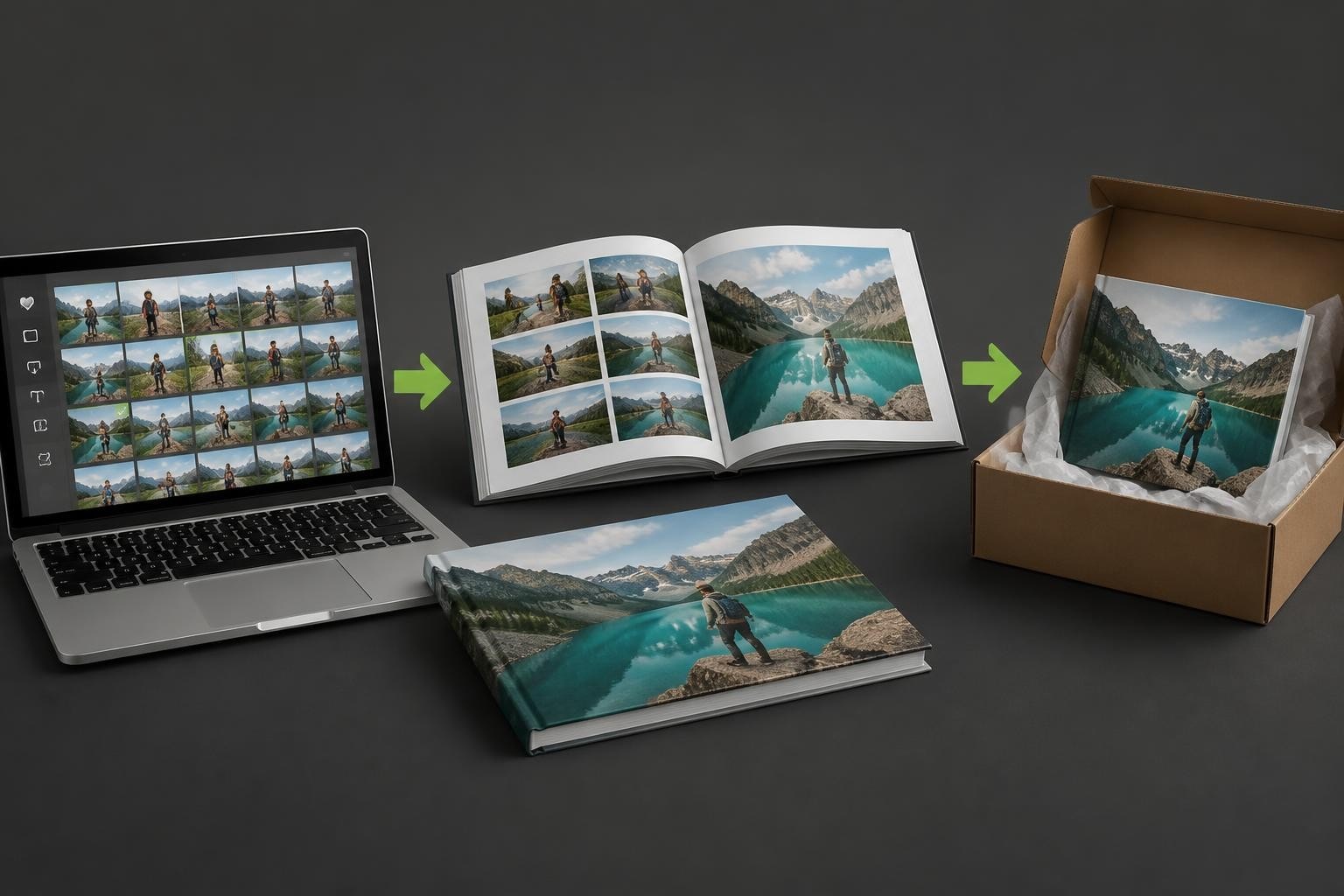
The basic workflow involves selecting a photo book format, uploading digital photographs, arranging them within pre-designed layouts, adding text elements, and placing an order for printing and delivery. This streamlined approach appeals to consumers who want professional-looking results without requiring advanced design skills.
Product Range and Format Options
Tesco photo books come in multiple sizes and binding styles to suit different purposes and budgets. Common formats include:
- A4 landscape and portrait orientations for comprehensive family albums
- Square formats popular for Instagram-style collections
- Smaller compact sizes ideal for gift-giving occasions
- Premium hardcover bindings for heirloom-quality keepsakes
- Softcover options offering budget-conscious alternatives
Each format category provides different page count options, typically ranging from 20 to 100 pages, allowing customers to match the product to their specific content volume and budget constraints.

Technology Behind Consumer Photobook Services
The software infrastructure powering services like tesco photo books requires sophisticated technology to handle image processing, layout management, and print-ready file generation. Modern photobook creation platforms must address several technical challenges whilst maintaining user-friendly interfaces.
Essential Software Components
| Component | Function | User Impact |
|---|---|---|
| Image Upload Engine | Handles multiple file formats and sizes | Accepts photos from various devices |
| Layout Engine | Manages photo placement and text integration | Provides flexible design options |
| Preview System | Renders accurate digital representations | Ensures customer satisfaction before ordering |
| Print File Generator | Creates production-ready PDFs | Guarantees quality output |
These technical elements work together seamlessly to create what appears to users as a simple, intuitive design experience. Behind the scenes, the software must optimise images for print, manage colour profiles, and ensure that final products meet quality standards.
According to Digital Camera World’s evaluation of photo printing services, print quality and ease of use remain the primary factors consumers consider when selecting a photobook provider. This emphasis on quality necessitates robust software solutions that can handle high-resolution images whilst maintaining fast processing speeds.
User Experience Design Considerations
The online designer interface represents the critical touchpoint between customers and the technology platform. Successful photobook software must balance comprehensive functionality with accessibility for users of varying technical abilities.
Key design considerations include:
- Intuitive drag-and-drop functionality for image placement
- Real-time preview capabilities showing exactly how the finished product will appear
- Auto-fill features that intelligently populate pages whilst allowing manual override
- Mobile responsiveness enabling creation on smartphones and tablets
- Cloud storage integration connecting to popular photo libraries
These features collectively determine whether customers complete their projects or abandon them mid-creation. The software must reduce friction points whilst providing sufficient control for creative expression.
Quality Factors in Photo Book Production
Tesco photo books, like all consumer photo products, must meet specific quality benchmarks to satisfy customer expectations. Print quality depends on multiple variables, from the software's image handling capabilities to the physical production processes.
Print Quality Determinants
Image Resolution Management ensures that uploaded photographs contain sufficient detail for the chosen print size. Software should automatically flag low-resolution images that may produce pixelated results, guiding users to select alternative photos or resize layouts.
Colour Accuracy presents ongoing challenges in consumer photo printing. The software must manage colour space conversions, translating screen RGB values to print CMYK profiles whilst maintaining fidelity to the original image appearance.
Paper Stock Selection influences both the visual result and the tactile experience. Options typically include:
- Glossy finishes that enhance colour vibrancy
- Matte surfaces reducing glare and fingerprints
- Lustre papers offering balanced characteristics
- Premium weight stocks for enhanced durability
Binding and Construction Quality
The physical construction of tesco photo books affects longevity and presentation. Lay-flat binding allows pages to open completely flat, preventing image loss in the gutter-particularly important for panoramic shots or two-page spreads. Standard binding methods prove more economical but may not suit all photographic content.

Pricing Structure and Value Proposition
Understanding the pricing model for tesco photo books requires examining how various factors influence cost. The photobook market operates across a broad price spectrum, with services positioned at different points balancing quality, features, and affordability.
Price Influencing Variables
| Factor | Impact on Price | Typical Range |
|---|---|---|
| Page Count | Linear relationship | 20-100 pages |
| Size Format | Larger sizes command premium | A5 to A3 |
| Binding Type | Hardcover vs softcover | £5-15 difference |
| Paper Quality | Premium stocks increase cost | £3-8 addition |
| Promotional Periods | Significant discounts available | 20-50% off |
Tesco photo books frequently feature promotional pricing, particularly during peak gifting seasons. These promotions make personalised photo products accessible to budget-conscious consumers whilst the regular pricing reflects the production costs and market positioning.
The Expert Reviews assessment of online photo services highlights how pricing transparency and value perception influence customer satisfaction. Clear upfront costs without hidden fees build trust and encourage repeat purchases.
Market Position and Competitive Landscape
The photobook software industry has evolved considerably over the past decade, driven by increased smartphone photography, improved printing technology, and changing consumer expectations around personalisation. Tesco photo books operate within this dynamic environment, serving customers who value convenience and brand familiarity.
Industry Trends Shaping Photobook Services
Several significant trends influence how businesses approach photobook creation software and service delivery:
Mobile-First Design recognises that most consumers now store and manage photographs primarily on smartphones. Successful platforms must enable the entire creation process on mobile devices, from image selection through checkout.
Social Media Integration allows direct importing from Instagram, Facebook, and other platforms where users curate their favourite images. This connectivity reduces friction and expands the pool of accessible photographs.
AI-Powered Assistance increasingly guides users through the creation process, suggesting optimal layouts, identifying the best photographs, and even auto-generating complete photobooks that users can then customise.
Sustainability Considerations grow more prominent as environmentally conscious consumers seek eco-friendly printing options, recycled papers, and carbon-neutral delivery.
Software Solutions for Photobook Providers
Businesses offering photobook services require robust technology infrastructure to compete effectively. Whether operating as retailers, online-only services, or hybrid models, the underlying software determines capabilities, efficiency, and customer satisfaction.
Essential Platform Capabilities
Modern photobook software must deliver comprehensive functionality across multiple dimensions:
- Flexible workflow management accommodating different business models
- Customisable user interfaces reflecting brand identity
- Scalable architecture handling varying order volumes
- Multi-device compatibility supporting desktop and mobile creation
- Integration capabilities connecting to production systems
Taopix provides software solutions that address these requirements, enabling businesses to offer fully customised photobook experiences whilst maintaining operational efficiency. The platform's flexibility allows companies to differentiate their offerings rather than providing generic, cookie-cutter services.
Customisation and Brand Differentiation

The ability to customise the creation experience separates generic photobook services from branded offerings that reflect company identity and values. White-label solutions allow retailers to present photobook services under their own branding whilst leveraging sophisticated technology developed by specialist providers.
Key customisation areas include:
- Interface design matching corporate colour schemes and typography
- Product range tailored to target customer demographics
- Pricing structures aligned with brand positioning
- Feature sets emphasising specific use cases or occasions
- Customer communication reflecting brand voice
This level of customisation requires software architecture designed from inception for flexibility rather than platforms retrofitted with basic branding options.
Production Workflow Efficiency
Behind the customer-facing creation tools, efficient production workflows determine profitability and delivery timeframes for tesco photo books and similar services. The software must seamlessly hand off completed designs to printing operations whilst maintaining quality control.
From Design to Delivery
The production sequence involves several critical stages:
Order Processing validates customer designs, checking for technical issues that might compromise print quality. Automated systems identify problems like low-resolution images, text too close to trim edges, or colour profile mismatches.
File Preparation generates print-ready PDFs with appropriate bleed margins, crop marks, and colour management. This stage must handle diverse input formats and standardise them for consistent production.
Quality Assurance may include automated checks and manual reviews for high-value orders, ensuring that what customers previewed online matches what will be printed.
Production Scheduling optimises printing queues based on order priority, product type, and equipment availability. Efficient scheduling reduces turnaround times and production costs.
Customer Experience Considerations
The success of tesco photo books ultimately depends on delivering positive customer experiences from initial engagement through product receipt. Software plays a crucial role at every touchpoint, but human factors and service elements prove equally important.
Supporting the Creation Journey
Many customers approach photobook creation with enthusiasm but limited design experience. The platform must provide sufficient guidance without constraining creative freedom:
- Template libraries offering starting points for common occasions
- Tutorial content explaining features and best practices
- Inspiration galleries showcasing possibilities
- Undo functionality encouraging experimentation without fear
- Save and resume capabilities accommodating multi-session creation
Expert Reviews’ analysis of the online ordering process emphasises how seamless digital experiences influence overall satisfaction. Technical excellence matters little if customers find the platform frustrating or confusing.
Post-Purchase Support
Customer service extends beyond order completion. Businesses must address queries, resolve issues, and handle the occasional quality complaint. Software systems should facilitate this support through:
| Support Function | Software Requirement | Customer Benefit |
|---|---|---|
| Order Tracking | Real-time status updates | Delivery transparency |
| Reprint Requests | Stored design files | Easy replacements |
| Design Retrieval | Cloud-based archiving | Reorder capability |
| Issue Resolution | Comprehensive order history | Efficient problem-solving |
Future Developments in Photobook Technology
The photobook industry continues evolving as technology advances and consumer behaviours shift. Several emerging trends will likely influence how services like tesco photo books develop over the coming years.
Augmented Reality Preview may allow customers to visualise photobooks in their physical environment before ordering, using smartphone cameras to place virtual products on actual shelves or coffee tables.
Enhanced Personalisation through artificial intelligence could extend beyond layout suggestions to content recommendations, identifying photos from larger libraries that best suit specific themes or storytelling objectives.
Video Integration represents a natural evolution as digital memories increasingly include motion and sound. Hybrid products combining printed photographs with embedded video content accessed via QR codes or NFC tags may bridge physical and digital experiences.
On-Demand Local Production might decentralise manufacturing, with network production facilities reducing delivery times and environmental impact through proximity printing.
Business Models and Market Opportunities
For businesses considering entering or expanding within the photobook market, understanding viable business models proves essential. The industry accommodates various approaches, each with distinct advantages and challenges.
Retail Integration Models
Established retailers like Tesco leverage existing customer relationships and brand trust when offering photo books. This model benefits from:
- Cross-selling opportunities with other products and services
- Physical presence enabling sample display and customer assistance
- Customer data insights informing product development and marketing
- Economies of scale across multiple product categories
However, retailers must balance photobook services against numerous competing priorities and may lack specialisation depth that dedicated photo service providers offer.
Pure-Play Online Services
Dedicated photobook businesses focus exclusively on photo products, developing deep expertise and often superior features. Success factors include exceptional user experience design, competitive pricing through operational efficiency, and strong marketing to build brand awareness without retail presence.
B2B Software Provision
Companies like Taopix enable other businesses to offer photobook services by providing the underlying technology platform. This model focuses on software excellence, continuous innovation, and supporting diverse client requirements rather than direct consumer engagement.
Businesses considering this space should evaluate their core competencies, target markets, and competitive positioning to select the most appropriate model.
Technical Integration Considerations
Implementing photobook services requires careful attention to technical integration across multiple systems. Whether adopting tesco photo books' approach or developing alternative solutions, seamless connectivity proves crucial.
System Architecture Requirements
Successful photobook platforms integrate with:
- E-commerce platforms for product display and checkout
- Payment gateways ensuring secure transaction processing
- Customer databases managing accounts and order history
- Production systems transmitting design files to printers
- Shipping providers coordinating delivery logistics
Each integration point introduces complexity and potential failure modes. Robust API design, comprehensive testing, and monitoring capabilities ensure reliability across the entire system.
Data Security and Privacy
Photo services handle sensitive personal content and customer information, requiring stringent security measures. Platforms must implement encryption for data in transit and at rest, secure authentication mechanisms, and compliance with privacy regulations including GDPR requirements for UK businesses.
Customers trust photo services with precious memories. Breaches or data losses carry severe reputational consequences beyond regulatory penalties.
Measuring Success in Photobook Services
Businesses offering tesco photo books or similar services should track specific metrics indicating platform performance, customer satisfaction, and commercial viability.
Key Performance Indicators
| Metric Category | Specific Measures | Target Benchmarks |
|---|---|---|
| Conversion Rate | Visitors to completed orders | 3-7% typical |
| Average Order Value | Revenue per transaction | £25-50 range |
| Customer Lifetime Value | Repeat purchase frequency | 2-4 orders annually |
| Creation Completion | Started to finished designs | 60-75% completion |
| Quality Complaints | Defect rate per 1000 orders | <5 complaints |
These metrics provide insight into both technical performance and business health. Low completion rates might indicate software usability issues, whilst high complaint rates suggest production quality problems.
Continuous Improvement Processes
Successful photobook services implement ongoing optimisation based on data analysis and customer feedback. A/B testing different interface designs, analysing abandonment points in the creation process, and surveying customers about their experience all contribute to incremental improvements that compound over time.
Creating exceptional photobook services requires balancing sophisticated technology with intuitive user experiences and consistent quality output. Understanding how services like Tesco photo books operate provides valuable insights for businesses seeking to offer personalised photo products.
If you're looking to deliver comprehensive photobook solutions with flexible workflows and fully customisable user experiences, Taopix provides the software infrastructure to power your vision. Our technology enables businesses to offer distinctive personalised print products that reflect your brand identity whilst meeting customer expectations for quality and ease of use.